
How Communication Strengthens Senior Care at Home

How Communication Strengthens Senior Care at Home Home / Gallery Blog Talking clearly and with care matters a lot in senior living. Its not just about helping with choresor checking on health. When people talk openly and kindly, trust grows. Seniors feel safe,respected, and understood, and families and caregivers can work better together.As folks age, their needs shift. Aches, movement issues, or changes in thinking can makeeveryday tasks harder. When caregivers listen well and keep talking, they pick up on thesechanges faster. A few simple chats, about how someone feels, what they need, or what they like,make a big difference in their daily life. If seniors feel free to speak up, theyll share pain orworry sooner. That helps care teams act fast.Good talk also keeps peoples dignity strong. Older adults often care deeply about making theirown choices. When caregivers include them in decisions, about care, daily tasks, or personallikes, it gives them a sense of control. They dont feel pushed to accept things they dont want.Instead, they feel like part of the process. That builds trust and makes the whole experience feelbetter.Family involvement is yet another significant angle when it comes to communication in homecare. Family members are often concerned about keeping a track of the health and well, being oftheir loved ones and their daily lives however they might not always be able to physically attend.When home care providers consistently keep family members in the loop, it builds anenvironment of openness and trust. Family members get assured that their needs are being takencare of and that any health, related issues or changes will be communicated to them immediately.This collaboration plays a key role in ensuring steady and well, organized care. In addition, goodcommunication can play a role in reducing misunderstandings as well as confusion. At times,elderly persons, not having a complete understanding of medication, appointment, or daily tasksinstructions, might feel irritated.With the caregivers communicating in a patient and clear manner, it becomes easier to get theseinstructions followed. Seniors can be made comfortable and more self, assured in carrying outtheir daily regiments by using easy, to, understand descriptions, practicing attentive listening,and staying composed. Another aspect of communication is the emotional state of the person. Infact, seniors who live alone or have limited social interactions very often suffer from lonelinessor social isolation. Having a meaningful talk with caregivers not only results in companionshipbut also emotional support. Whether the conversation centers on reminiscing, storytelling, or thedaily happenings, they are all sources of elemental human needs of warmth and socialconnection.Communication helps carers to detect even minor signs of a senior’s behavioral or healthchanges. Sometimes a change in one’s mood appetite sleep patterns, or energy levels could be asign of an underlying problem. Regular conversations and observations allow caregivers to spotsuch changes and inform family members or healthcare professionals. Being aware of signs earlyusually enables timely actions and leads to improved results. My Caregiver placescommunication at the core of its home care model.Our caregivers see a task of listening, understanding, and establishing true relationships withclients as their top priorities. By keeping lines of communication open between seniors and theirfamilies, we foster a caring atmosphere where the delivery of care is not only personalized butalso dignified and efficient. Ultimately, communication is not only the vehicle for sharing ideasitis also a medium for gaining confidence, enhancing relationships, and improving care. Seniors,caregivers, and families who communicate transparently create a team effort in home care thatnurtures comfort, autonomy, and health.📞 847-474-3393🌐 my-caregiver.com
Why Seniors Often Underreport Pain (And How Families Can Support Them)

Why Seniors Often Underreport Pain (And How Families Can Support Them) Home / Gallery Blog The essence of pain is that it is often invisible. Additionally, many elderly individuals do not always communicate what they are feeling. Families are sometimes caught off guard when they discover that their loved one has been living with pain for weeks or even months without saying a word. Understanding why seniors often underreport pain is an important step toward protecting their health, safety, and overall quality of life. Why Do Seniors Underreport Pain? 1. They Believe Pain Is “Normal Aging”Many older adults assume that aches and pains are simply a natural part of getting older. Joint discomfort, back pain, or headaches may be dismissed as unavoidable and untreatable. While aging does bring physical changes, ongoing pain should never be accepted as something that must simply be endured without seeking help. 2. They Don’t Want to Be a BurdenSome seniors choose to keep their pain to themselves because they do not want to worry their families. They may feel that speaking up will cause stress, financial strain, or major lifestyle changes for their loved ones. However, addressing concerns early can often prevent more serious issues later on. 3. Fear of Losing IndependenceAdmitting pain can feel like admitting vulnerability. Many seniors worry that if they talk about their discomfort, family members might increase their level of care, limit their activities, or even consider assisted living options. To protect their independence, they may stay silent. 4. Difficulty Describing SymptomsTalking about pain is not always easy, especially for those experiencing memory loss or cognitive challenges. Explaining the location, intensity, or duration of discomfort can be overwhelming. Rather than struggling to describe it, some seniors prefer not to mention it at all. 5. Concern About MedicationOlder adults may worry about medication side effects, dependency, or adding “too many pills” to their routine. These concerns can make them hesitant to report pain if they believe it will automatically lead to new prescriptions. Not reporting pain does not mean it disappears. Instead, it continues to affect daily life quietly and often unnoticed. A senior may begin moving more slowly, avoiding certain activities, or showing subtle signs of distress. They might tire more easily, experience mood changes, sleep poorly, lose their appetite, or withdraw from social interactions. Over time, untreated pain can lead to reduced mobility, a higher risk of falls, and a gradual decline in independence and overall well-being. These quiet changes often speak louder than words. Family members play a crucial role in supporting their elderly loved ones. Creating a home environment where seniors feel safe and comfortable sharing their feelings is essential. Instead of asking yes-or-no questions, try open-ended ones such as, “How have you been feeling lately?” This encourages deeper, more honest conversations. Reassure them that discussing pain is not a sign of weakness. In fact, speaking up is a way of protecting their health and preserving independence. Observing changes without judgment, encouraging medical consultation when needed, and offering consistent emotional support can empower seniors and help them feel truly heard and respected. At My Caregiver, we believe no one should accept pain as simply a part of life. We are dedicated to helping seniors feel safe, dignified, and comfortable every day. Through compassionate communication and attentive care, we support the happiness and well-being of the seniors who are valued members of our community. 847-474-3393my-caregiver.com
The Role of Trust in Senior Well-Being & Daily Comfort
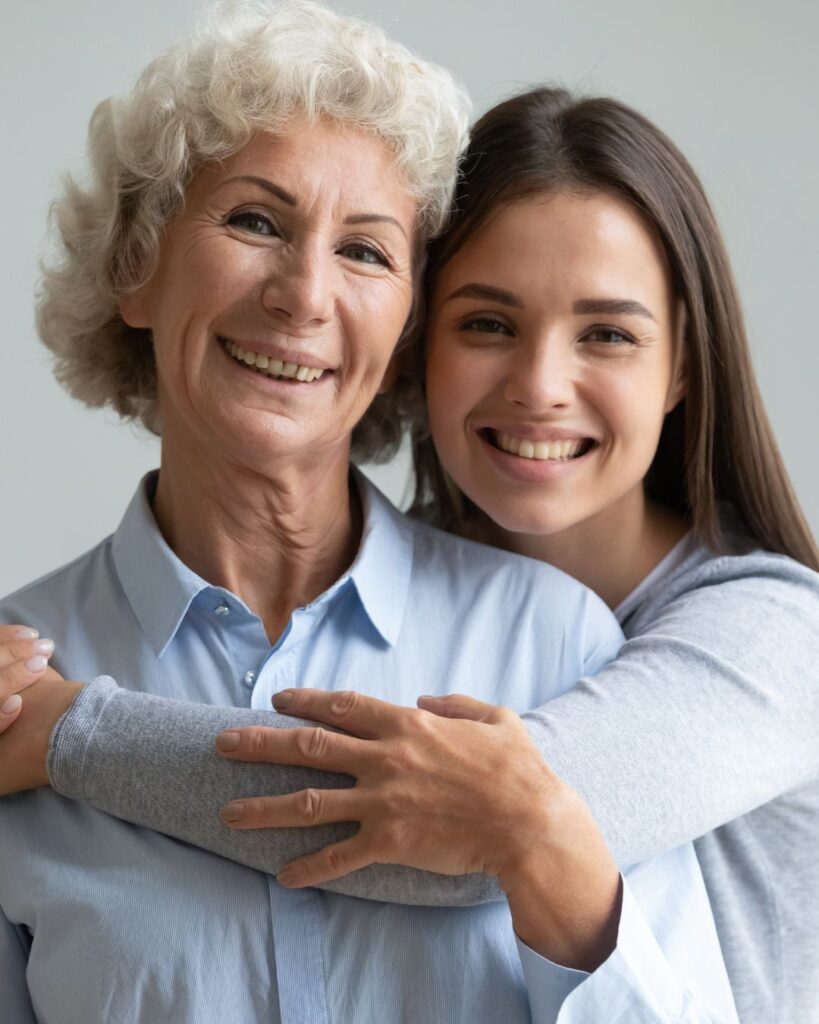
The Role of Trust in Senior Well-Being & Daily Comfort Home / Gallery Blog The Role of Trust in Senior Well-Being & Daily Comfort Trust ranks among the top pillars that ensure high quality care for the elderly. Providing help with everyday tasks, ensuring safety, and offering companionship are vital, yet the real pulse of home care that works is trust. Older individuals, particularly those getting home care, derive their emotional health and daily pleasantness mostly from feeling secure, respected, and understood. When seniors get older, their bodies, in most cases, tend to face changes that make them feel exposed or helpless. When one’s body does not allow them to do certain things like before and one needs help with personal care, it can be quite a disturbing experience. In the presence of trust between a caregiver and an elderly person, that vulnerability is not such a big deal. A senior is more likely to embrace the help that is given when he or she knows that the helper is serious about preserving their dignity and making them comfortable. Trust has a big link to emotional health. If seniors are unsure of the identity of the person coming into their home or giving them personal care, their level of anxiety and depression might go up. Conversely, a familiar, compassionate caregiver brings about a feeling of stability and safety. Gradually, the seniors get used to the care routine, the conversations become more engaging, and the seniors get more relaxed. With the increased emotional security, seniors are less stressed, their mental well being is supported, and their overall quality of life is improved. Everyday contentment is very much linked to this trust. Even the simplest chores such as having a bath, getting dressed, preparing food, or taking medicine, all require collaboration and transparency. If a senior trusts his or her caregiver, such activities are no longer scary interruptions but rather smooth, respectful parts of the day. Caregivers who make an effort to listen, figure out the preferences, and keep the routines, demonstrate through their actions that seniors can still be in control of their own lives. That control is necessary to sustain independence and self worth. Moreover, trust facilitates communication. Elderly people who have a good rapport with their caregiver will be more willing to express their worries about pain, changes in their mood, or other health related symptoms. Such free communication enables carers and families to act swiftly to any potential issues before they get out of hand. In other words, trust not only makes the emotions more comfortable but also creates better health results. Trust is especially reassuring to families. Inviting someone into a loved one’s house is a major decision. Families want to make sure that their parent or relative is safe and also treated with kindness and respect. When professional caregivers establish excellent, trustworthy relationships with older adults, families are left feeling that their loved one is under the care of capable and compassionate people. This kind of assurance lowers the level of stress and leaves family members able to enjoy their time together in a meaningful way instead of them being afraid constantly. Consistency is crucial to the scale of trust. It is stability that is established through familiar faces, predictable routines, and clear communication. Professional caregivers recognize that qualities of patience, reliability, and empathy are crucial in their every interaction. Tiny things, coming on time, knowing likes and dislikes, talking in a nice way, these are the acts that slowly but surely lay the trust foundation that makes life a pleasure. We at My Caregiver, trust is something that logically follows from care, professionalism, and authentic connections. Our caregivers are not only trained but also deeply motivated to give each client their best possible care and attention. By continuously mitigating all possible sources of stress, our care team members create an atmosphere wherein your senior feels relaxed, valued and understood. When all aspects of care revolve around trust, seniors at home can have not only services but also their inner peace, comfort and emotional well being. Senior care goes beyond assisting with the tasks it is about creating relationships. Once trust is there, the family members who have had their loved ones cared for, have a smoother and more harmonious routine, greater emotional stability and increased assurance in the support their dear ones are getting. In the final analysis, it is trust that converts home care from mere help to genuine life enhancing support. 📞 847-474-3393🌐 my-caregiver.com
What Makes a Caregiver Truly “Excellent”? Key Qualities Families Should Look For
What Makes a Caregiver Truly “Excellent”? Key Qualities Families Should Look For Home / Gallery Blog What Makes a Caregiver Truly “Excellent”? Key Qualities Families Should Look For Choosing a caregiver for a loved one is a decision, for the family. I have seen families struggle with that choice. If you need help for an aging parent, a recovering patient or a person with health conditions the right caregiver can change life. The caregiver brings safety, comfort and emotional stability. What makes a caregiver excellent? A caregiver is more, than experience or just helping with tasks. Excellence, in caregiving comes from the empathy the professionalism, the communication and the reliability. The empathy, the professionalism, the communication and the reliability affect the senior’s well‑being and the senior’s quality of life. Good caregiving starts with empathy and real compassion. I have seen how a caring touch can change a day for a senior. The caregiver can step into the shoes of the person the caregiver supports. The caregiver feels the feelings knows the fears answers, with patience and meets the challenges with kindness. The empathy lets the caregiver build trust. The empathy lets the caregiver give reassurance. The empathy lets the caregiver respect the senior’s dignity. The empathy lets the caregiver create a place. The senior who faces memory loss, loneliness or health problems can feel a presence that works better, than any medicine. I have seen that strong communication skills are a part of care. Effective caregivers listen carefully speak and keep the families informed about the routines and changes. Effective caregivers explain care tasks to the seniors relay observations, to the healthcare professionals and encourage honest conversations. The seniors feel safe when the seniors understand what is happening around the seniors and the families gain peace of mind when communication is clear and reliable. Reliability and consistency are both important. Predictable routines and familiar faces lower anxiety, confusion and stress, for the seniors who have decline. Reliable caregivers arrive on time. Reliable caregivers follow care plans carefully. Reliable caregivers keep routines that support the health of the seniors. Reliable caregivers stay ready, for situations. Stability and consistency help keep the seniors safe and well. I have seen that good training and skill make the care kind and safe. The caregivers who have training understand hygiene, mobility support, medication, nutrition and fall prevention. The caregivers know the basics. The caregivers can watch health signs. Help people who have dementia, diabetes or need help after surgery. Proper training makes sure the care follows safety rules and stays kind and supportive. I have seen that patience and emotional resilience are essential. Patience helps the caregivers work with the seniors who have Alzheimer’s limited mobility or chronic pain and Patience keeps the caregivers calm when the seniors become confused or upset. The caregivers need calm and understanding. Patience lets the caregivers respond to confusion or upset without losing calm. Patience lets the caregivers guide the seniors gently through the routines. Patience lets the caregivers give support on hard days. Emotional resilience lets the caregivers offer comfort day, after day without losing kindness. Respecting independence and dignity is another sign of a caregiver. I have seen aging often brings a loss of independence. The caregivers who honor choice and privacy help the seniors keep confidence and self‑esteem. The caregivers encourage the seniors to take part in activities keep the mind active keep the body moving and keep dignity intact. The care strengthens a ’s sense of control of taking the senior’s sense of control away. Adaptability and problem solving skills matter a lot in caregiving. I have seen that each day brings challenges. Changes, in health and mood events all appear. Caregivers who stay flexible when plans shift keep things moving. Caregivers who handle emergencies calmly keep the situation under control. Caregivers who respond in a way, to changing needs find ways to help. Caregivers who notice signs of health issues stop problems before they grow. Finally building trust is important. Trust matters. In my experience the caregivers step into the seniors’ space and daily life. The caregivers earn trust by being honest being consistent showing respect keeping things private. The caregivers also have a presence. When seniors feel safe when seniors feel understood when seniors feel supported the trust helps seniors overall health improve a lot. In conclusion a caregiver is more, than a helper. I have seen a caregiver be a companion, a supporter and an advocate. A caregiver combines empathy, communication, reliability, skill, patience and respect. A caregiver creates a care experience that enriches life and promotes emotional and physical well being. At My Caregiver we believe these qualities are the foundation of care. Our trained compassionate caregivers are dedicated to providing support that lets seniors live safely independently at home. Every loved one deserves care. A loved one needs care that comes from the heart. A loved one needs care that is professional. 📞 847-474-3393🌐 my-caregiver.com
The Emotional Impact of Retirement on Older Adults
The Emotional Impact of Retirement on Older Adults Home / Gallery Blog The Emotional Impact of Retirement on Older Adults Many people view retirement as a long-awaited break from life’s routine—a time to relax, disconnect from work, and finally enjoy life at their own pace. While retirement certainly offers freedom and flexibility, it can also bring emotional challenges that many older adults never anticipate. For countless seniors, this transition represents a profound shift in identity, routine, and emotional well-being. Understanding the emotional impact of retirement is the first step toward helping families provide meaningful support during this critical phase of life. One of the most significant emotional challenges retirement can bring is a loss of identity. Over the years, a person’s profession often becomes a core source of purpose, self-worth, and daily structure. When that role suddenly disappears, some older adults may feel directionless or no longer useful. Even those who eagerly looked forward to retirement may experience unexpected feelings of loneliness, uncertainty, or self-doubt as they adjust to a life without the responsibilities that once defined them. The disruption of a long-established work routine can further affect emotional health. Employment naturally provides rhythm through schedules, deadlines, social interaction, and mental stimulation. After retirement, days can feel unstructured and monotonous, leading to boredom, restlessness, or emotional withdrawal. These feelings may intensify when spouses or friends are still working, have relocated, or have passed away, leaving seniors with fewer opportunities for connection. Retirement can also stir mixed emotions related to aging and independence. While some individuals enjoy the freedom it brings, others become more aware of physical limitations or health concerns once work no longer distracts them. This heightened awareness can lead to anxiety, frustration, or fear about the future. Financial concerns—even when retirement has been carefully planned—may also contribute to stress and emotional uncertainty. Another major shift occurs in social relationships. Daily interactions with coworkers often decrease or disappear entirely, reducing opportunities for conversation and companionship. For seniors who relied heavily on work for social engagement, this loss can be deeply painful. Strong social connections are essential for emotional and mental well-being, yet many retirees need guidance and support in rebuilding their social lives. This is where compassionate home care can make a meaningful difference. A caregiver’s role extends far beyond assisting with daily tasks like dressing or meals. Caregivers provide companionship, emotional support, and a sense of routine. They encourage seniors to stay physically active, socially engaged, and involved in hobbies or interests they enjoy. Simple conversations, shared activities, and consistent presence can significantly lift mood and stabilize emotions during the retirement transition. Home care also offers reassurance to families. Loved ones may struggle to understand the emotional changes retirement brings or feel unsure about how best to help. With professional support in place, families gain peace of mind knowing their loved one is emotionally supported and not navigating this life change alone. 📞 847-474-3393🌐 my-caregiver.com
A Family Guide to Dementia-Friendly Home Care
A Family Guide to Dementia-Friendly Home Care Home / Gallery Blog A Family Guide to Dementia-Friendly Home Care Caring for a family member with dementia can be challenging, but creating a dementia-friendly home can significantly improve their safety, comfort, and overall well-being. At My Caregiver, we understand the unique needs of individuals living with dementia, and our trained caregivers provide the support families need to help their loved ones thrive at home. A dementia-friendly living space focuses on safety, simplicity, and familiarity. Reducing fall risks is essential. Small changes—such as securing loose rugs, improving lighting, and keeping walkways clear—can make a meaningful difference. Adding handrails in hallways and bathrooms, using non-slip mats, and keeping frequently used items within easy reach further enhances safety and reduces the likelihood of accidents. Maintaining a consistent routine is also a vital part of dementia care. People with dementia often feel more secure when they know what to expect. Structured daily schedules for meals, activities, and rest can reduce confusion and anxiety. Families often notice that keeping regular meal times, dressing habits, and sleep routines helps their loved ones feel more calm and grounded. At My Caregiver, our professional caregivers excel at creating and maintaining routines that promote stability and reduce stress for both the individual and their family. Communication plays a crucial role in dementia care as well. Individuals with dementia may struggle to express their needs or understand instructions. Using clear, simple language, maintaining eye contact, and offering gentle guidance instead of correction can make communication easier. Visual cues—like labeling drawers and cabinets—help the person find items independently, boosting confidence and autonomy. Above all, patience and compassion are essential during moments of confusion or difficulty. Staying engaged in meaningful activities is equally important for emotional and cognitive well-being. Dementia-friendly home care includes opportunities for hobbies, physical movement, and social interaction. Activities like listening to music, gardening, or solving puzzles stimulate the mind, reduce boredom, and lift mood. Caregivers can tailor activities to the person’s interests and abilities, helping them feel purposeful and fulfilled. Proper nutrition and hydration are also key elements of dementia care. Many individuals with dementia may forget to eat or drink, increasing the risk of malnutrition or dehydration. Caregivers can offer gentle reminders, prepare easy-to-eat meals, and ensure a balanced diet. Involving the person in simple tasks—like helping set the table—can also encourage participation and independence. Lastly, emotional support is essential for both the individual and their family. Dementia can be overwhelming, and families often experience stress, worry, and a sense of helplessness. Professional caregivers provide not only practical assistance but also companionship, reassurance, and a comforting presence. They help families navigate the challenges of dementia care with guidance, relief, and understanding. At My Caregiver, our mission is to create a safe, comfortable, and dignified home environment for individuals with dementia. By prioritizing safety, routine, communication, engagement, nutrition, and emotional support, families can offer their loved ones a better quality of life—while also receiving the expert help they need. With dementia-friendly home care, families can feel confident knowing their loved ones are cared for with compassion and skill.
The Benefits of Companionship Care for Seniors
The Benefits of Companionship Care for Seniors Home / Gallery Blog The Benefits of Companionship Care for Seniors But now as they age, emotional and social connections become just as important for seniors to learn how to keep in shape. But many old people go through long periods of solitude, especially when family is far away or occupied. This emotional disconnect might have a more nuanced effect on their well-being. This is where My Caregiver Companionship Care shines. Companionship care is doing much more than typical caregiving. It prioritizes real human connections the sort that bring comfort, empathy and joy back into a senior’s daily life. For many seniors, listening to stories or sharing a cup of tea or if nothing else simply having someone over who is willing to sit with them could make a significant difference in their lives. Companionship care has many advantages. Regular conversations allow people to feel less anxious and alone, while sharing experiences can boost mental clarity, confidence and memory. When seniors feel heard and seen, they are happier, more motivated and more active. Furthermore, supporting emotionally promotes better daily routines. Older adults may benefit from light activities such as games, reading aloud, brisk walks or friendly prompts to eat and drink. These little exchanges have made every day more meaningful and structured. Companionship is also integral to independence. With a trusted companion at their side, the likelihood increases that seniors will remain active, stay socially connected, and live safely in their own homes. Companionship is more than a service at My Caregiver it is a commitment to developing loving, uplifting relationships that bring improvement in mental and emotional well-being. We assist seniors in living each day with dignity, joy, and a revitalized sense of connection by bringing empathy, tolerance, and true friendship into the home. Because every senior deserves not just care — but true companionship. 📞 847-474-3393 🌐 my-caregiver.com
Hello world!
Welcome to WordPress. This is your first post. Edit or delete it, then start writing!